Water heaters are a crucial part of any home, providing the comfort of hot water for showers, washing dishes, and laundry. In Minnesota, where cold winters can make warm water a necessity rather than a luxury, ensuring your water heating system is functioning properly is essential. However, like any appliance, water heaters can experience issues over time. This article will delve into common problems associated with water heaters and provide practical solutions for repairs that homeowners can undertake or consider when seeking professional help.
Understanding Your Water Heater
Before diving into specific repair issues, it's important to have a basic understanding of how water heaters operate. There are two main types: tankless and traditional tank systems. Traditional hot water tanks store heated water and maintain its temperature until needed, while tankless models heat water on demand. Each system has its quirks and potential problems.
Signs of Trouble
Recognizing early signs of trouble can save you from more extensive damage and expensive repairs later on. Some Additional hints common indicators include:
- Insufficient hot water Unusual noises coming from the tank Water pooling around the base of the heater Discolored or foul-smelling hot water Fluctuations in water temperature
Each of these symptoms points to specific issues that could be addressed with either DIY solutions or professional intervention.
No Hot Water: Troubleshooting Steps
One of the most alarming issues is waking up to find no hot water available. This problem can stem from several sources, primarily depending on whether your system is gas or electric.
For electric heaters, check if the circuit breaker has tripped or if there is a blown fuse. If the breaker has reset but no hot water is forthcoming, it might be an issue with the thermostat or heating elements. Testing these components for continuity using a multimeter can indicate whether they need replacing.
Gas heaters require a different approach. Ensure that the pilot light is lit; if not, you may need to relight it following manufacturer instructions. If the pilot light keeps going out, you might have a faulty thermocouple that requires replacement.
Leaking Water Heater: A Serious Concern
A leaking water heater can lead to significant damage in your home if not addressed promptly. The first step is identifying the source of the leak—this could be from plumbing connections, the pressure relief valve, or even corrosion within the tank itself.
Start by inspecting all visible connections for tightness; loose fittings might simply need to be tightened. If the leak originates from the pressure relief valve, replacing this component is usually straightforward and involves turning off power or gas to the heater before making changes.
If corrosion is present within the tank itself—often indicated by rust spots—replacement may be necessary as patches will likely only serve as temporary fixes.
Sediment Buildup: A Hidden Problem
Over time, minerals in hard water can accumulate at the bottom of your hot expansion tank repair water tank, leading to decreased efficiency and potential damage. Sediment buildup can cause rumbling noises during operation as it heats up.
Flushing your hot water heater periodically—ideally once a year—can prevent this issue from escalating. To flush your system:
Turn off power or gas. Connect a garden hose to the drain valve at the bottom. Open the valve and let sediment flow out into a bucket until clear. Close the valve after flushing and refill your tank.This maintenance task not only improves efficiency but also extends your heater's lifespan by reducing wear caused by sediment buildup.
Thermostat Troubles: When Temperature Fluctuates
Temperature inconsistencies are often traced back to thermostat issues. If you find yourself frequently adjusting settings without achieving consistent results, it may require replacing one or both thermostats for electric models—or checking calibration for gas versions.
To replace an electric thermostat:
Turn off power. Remove access covers. Disconnect wires while noting their placement. Install new thermostat by connecting wires similarly and securing covers again. Restore power and test functionality.For gas units with inconsistent temperatures due to thermostat calibration errors, consult your user manual on how to adjust them properly before considering replacement options.
Expansion Tanks: Preventing Pressure Problems
An expansion tank serves as a buffer against excess pressure build-up in your plumbing system caused by thermal expansion when heating water—especially important in closed systems where backflow prevention devices are installed.
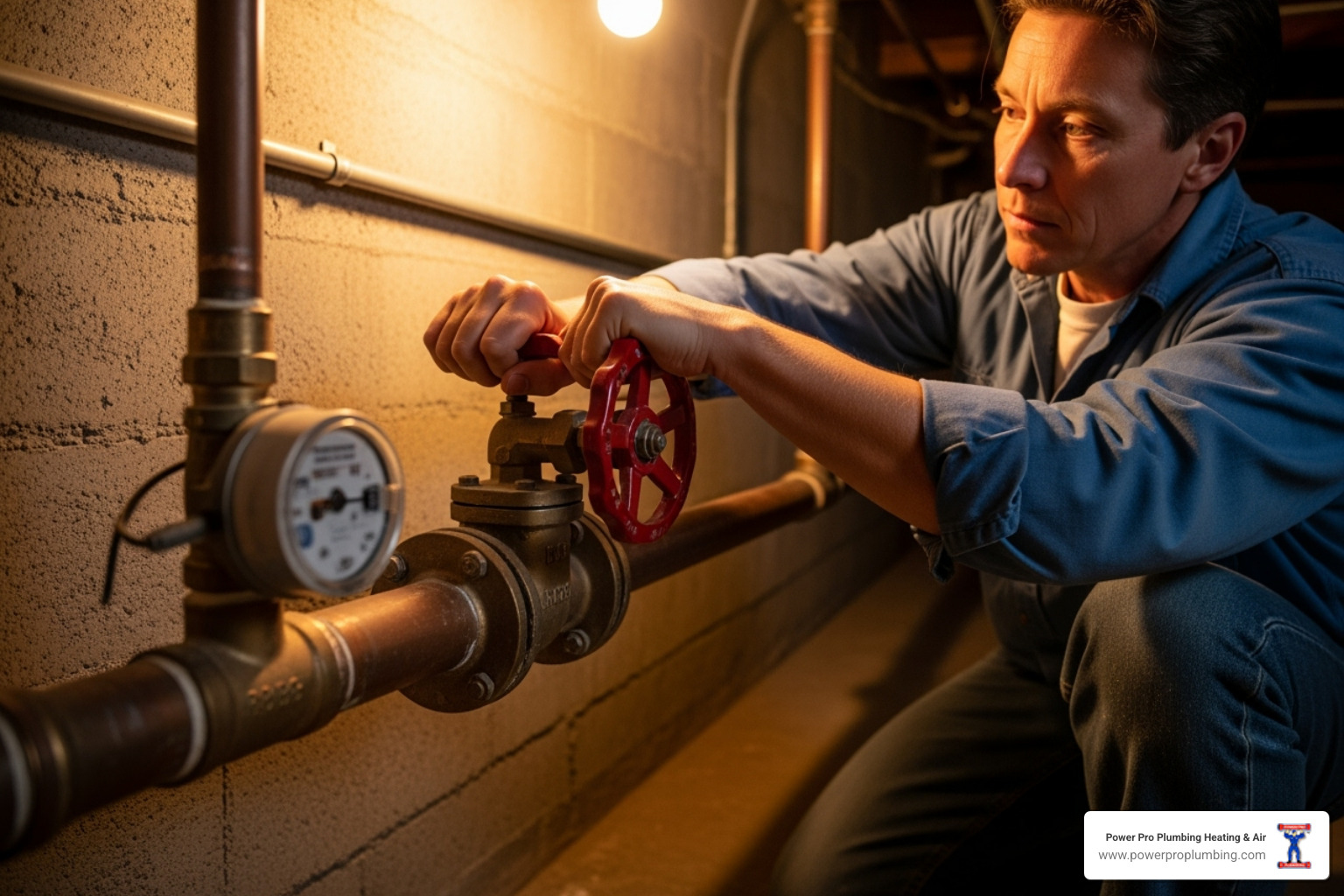
If you notice frequent leaks or hear banging pipes (water hammer), it could indicate an ineffective expansion tank needing repair or replacement. Checking its air charge regularly helps maintain proper function; ideally maintaining 12 psi when no pressure exists in connected lines ensures smooth operation without excessive strain on your primary unit.
Professional Help vs DIY Repairs
While many repairs can be tackled by handy homeowners equipped with basic tools and knowledge about their systems’ workings—and who feel confident in their abilities—certain situations call for professional intervention due to safety concerns or complexity involved (especially with gas units).
When considering DIY repairs versus hiring professionals:
- Evaluate your comfort level with tools and electrical work. Assess whether you have sufficient time to dedicate towards troubleshooting. Consider long-term implications regarding warranties tied into installations when opting for outside service providers instead of self-repair attempts beyond simple fixes like replacing elements/thermostats/valves etc..
Hiring licensed technicians ensures compliance with local codes while guaranteeing quality workmanship—a worthy investment particularly during emergencies such as catastrophic leaks leading towards total replacements needed afterward if left unchecked too long!
Conclusion? Not Quite Yet!
Understanding common repair issues surrounding residential and commercial hot-water tanks provides invaluable insight into maintaining optimal performance throughout their lifespan here in Minnesota’s unique climate challenges—from frigid winters through scorching summers alike! Addressing them proactively reduces unnecessary costs down-the-line while promoting longevity among our essential home appliances ensuring we always have access whenever needed—not just during those chilly months but year-round!
Whether you're tackling minor fixes yourself or engaging trusted professionals for more complex tasks ahead—we hope this guide equips you well along each step encountered throughout ownership experiences!